If you've eaten pide in Istanbul or Antalya, you've eaten one style of pide — usually a generic blend influenced by Black Sea recipes but adapted for big-city kitchens. The real picture is richer: Turkish pide is a regional dish with at least four major variations, each shaped by its province's traditions, ovens, and ingredients.
This guide compares the four most distinct regional pide styles — Karadeniz (Black Sea), Konya, Samsun, and Erzurum — and explains what makes each one unique. By the end you'll be able to walk into any pide salon in Turkey and order with informed eyes.
1. Karadeniz Pide (Black Sea)
Origin: Trabzon, Rize, Giresun, Ordu. The version most internationally recognized today.
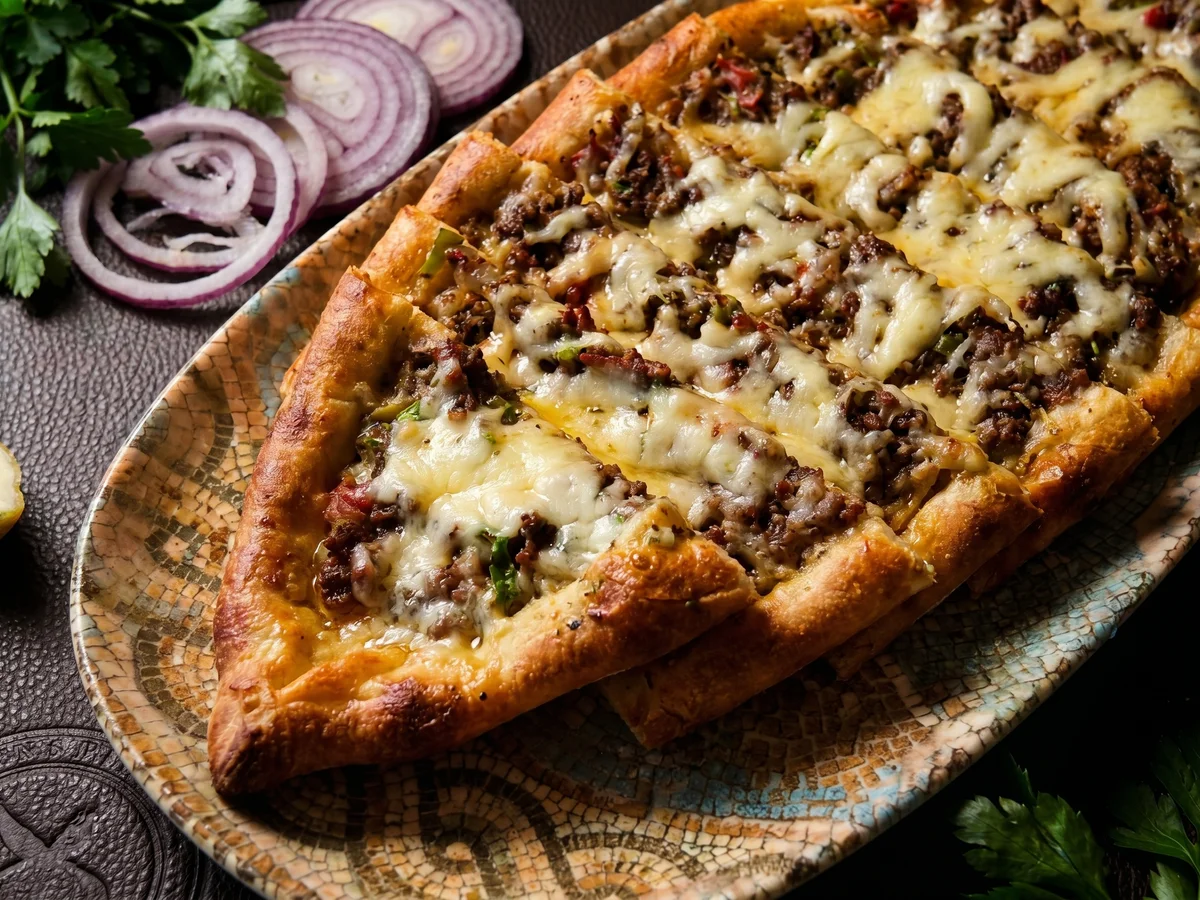
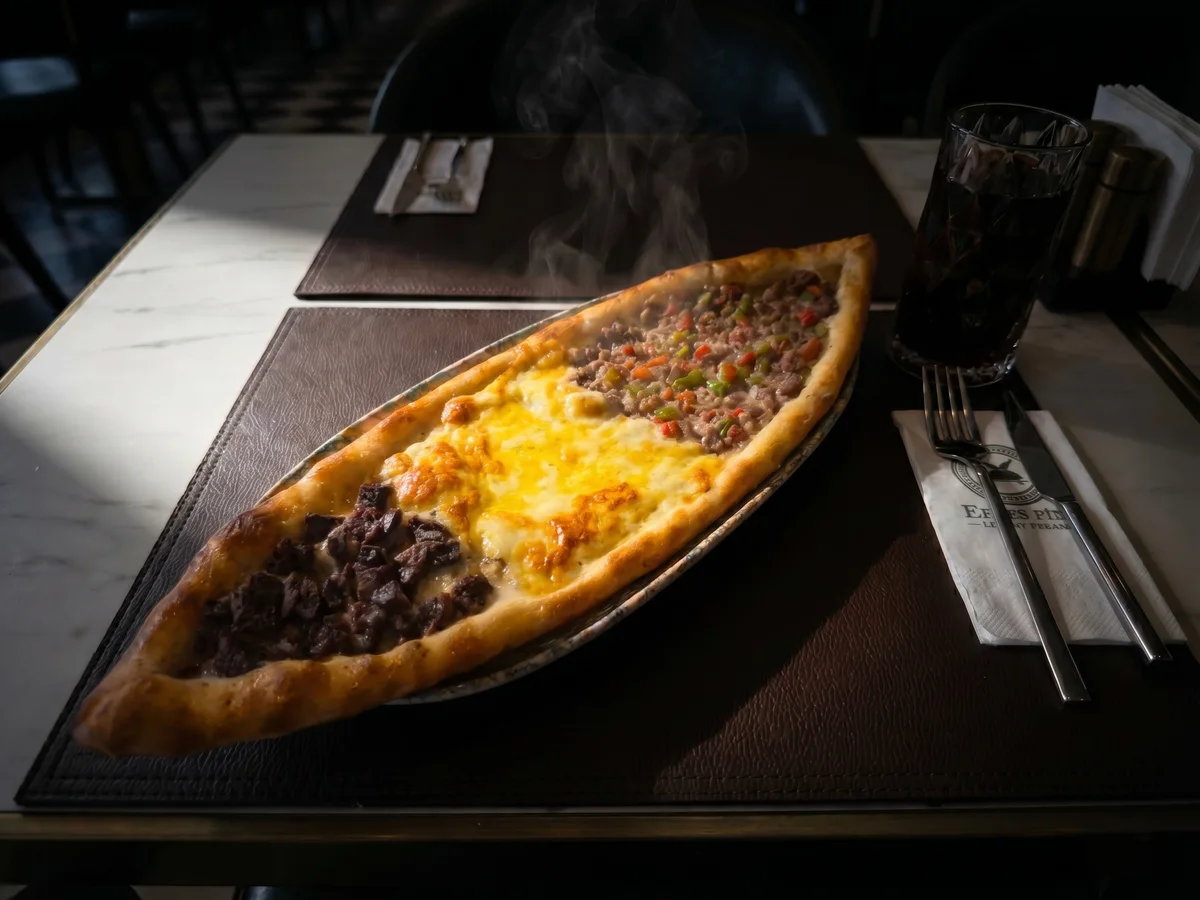
- ●Shape: Long, slim, oval — often called a boat shape.
- ●Dough: Lean, thin in the middle, with prominent puffed edges.
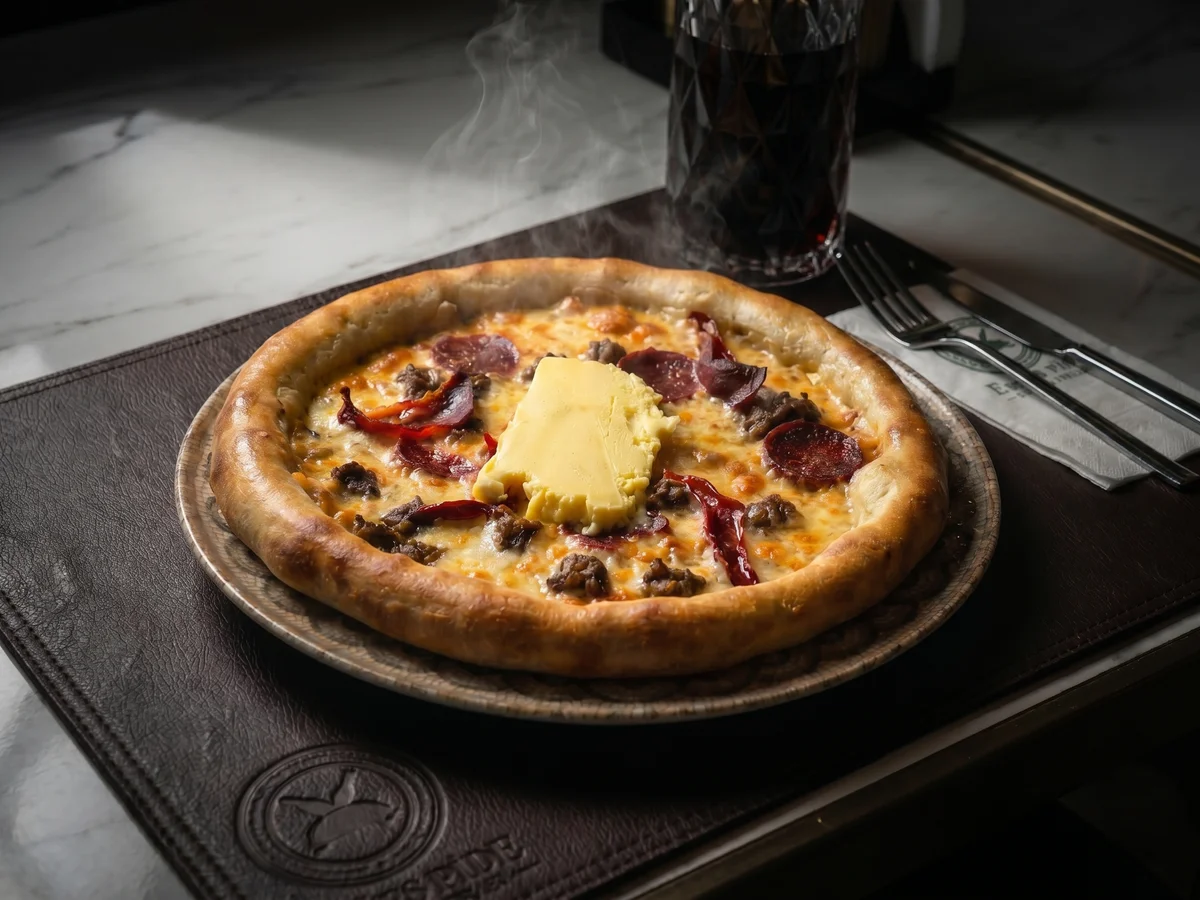
- ●Fat: Real butter (tereyağı), generously applied. Margarine forbidden.
- ●Cheese: Local kolot or kashar — stringy, melts perfectly.
- ●Signature variant: Kapalı kavurmalı kaşarlı — closed pide with slow-cooked beef confit.
- ●Oven: Wood-fired stone floor, 350–400°C.
Karadeniz pide is what we make at Enfes Pide in Yomra. See the stone-oven tradition article for technical depth.
2. Konya Pide (Etli Ekmek)
Origin: Konya, central Anatolia. The Konya version is often called etli ekmek (meat bread) rather than pide, though the underlying technique is closely related.
- ●Shape: Extremely long and thin — up to 60–80 cm.
- ●Dough: Very thin, almost cracker-like in the middle, with no puffed edge.
- ●Fat: Less butter; the dough itself is leaner.
- ●Topping: Minced lamb, often with onion and tomato.
- ●Cheese: Usually no cheese — the meat is the star.
- ●Signature variant: Plain etli ekmek — just lamb on thin dough.
- ●Oven: Wood-fired, often slightly cooler than Black Sea ovens.
Konya pide is closer in spirit to a Turkish flatbread sandwich than to a Black Sea boat. Eaten by tearing pieces with your hands and rolling them around the meat.
3. Samsun Pide
Origin: Samsun, western Black Sea coast. Shares some DNA with Karadeniz pide but has distinctive local variations.
- ●Shape: Boat-shaped but shorter and thicker than Trabzon style.
- ●Dough: Slightly thicker base, more breadlike middle.
- ●Signature variant: Bafra pidesi — from the Bafra district near Samsun. Includes minced meat, cheese, often an egg yolk in the center cracked just before serving.
- ●Egg: The egg yolk distinguishes Samsun pide from Trabzon's, where eggs are less common on pide.
- ●Oven: Wood-fired stone oven.
Samsun pide is a worthy comparison point — geographically close to Trabzon, recipe-wise distinct enough to feel different.
4. Erzurum Pide
Origin: Erzurum, eastern Anatolia. A high-elevation, cold-climate cuisine context shapes the local pide.
- ●Shape: Round or rectangular — often thicker and more substantial.
- ●Dough: Denser, breadier, designed to hold up to cold weather and hearty fillings.
- ●Topping: Often kavurma (beef confit) and civil peyniri (a regional braided cheese).
- ●Fat: Generous butter and tail fat sometimes.
- ●Signature variant: Civil peynirli pide with kavurma.
- ●Oven: Wood-fired, often built to handle prolonged cold winters.
Erzurum pide is the warmest, heaviest of the four — closer to a hearty highland flatbread than to a Mediterranean-style pide.
Quick Comparison Table
If you had to pick one differentiator for each:
- ●Karadeniz — butter and stringy kashar, signature kavurma.
- ●Konya — extremely thin dough, minced lamb, no cheese.
- ●Samsun — egg yolk on top, shorter and thicker boat.
- ●Erzurum — round/dense, civil cheese, cold-weather hearty.
Which Style Is Best?
There isn't one. Each style is shaped by its region's climate, agriculture, and traditions. For travelers in Trabzon specifically, the answer is obvious — Karadeniz pide is the local style, and the version you'll find here is fresher and more authentic than any version exported to other cities.
If you're road-tripping across Turkey, ordering a pide in each region you pass through is one of the most rewarding ways to taste regional Turkey. The dough tells you the story.
FAQ
01Where can I try all four styles in one trip?+
Difficult — they require traveling to four different regions. Konya is central, Erzurum is far east, Samsun and Trabzon are Black Sea but 4 hours apart. A road trip from Konya → Samsun → Trabzon → Erzurum covers them all in a week.
02Is Karadeniz pide really better, or is that local pride?+
Local pride plays a role. Objectively, Karadeniz pide is the most internationally recognized style, has the longest stone-oven tradition, and uses the highest-quality dairy. Whether it's better is a matter of taste.
03Why does Konya pide use no cheese?+
Konya is central Anatolian — historically less dairy-rich than the Black Sea coast. The meat-and-bread emphasis reflects centuries of local food economics.
04Can I find regional pide in Istanbul?+
Yes — Istanbul has restaurants from every Turkish region, including Konya etli ekmek specialists and Samsun Bafra pide spots. But the experience of eating pide in its home province is always more authentic.
Tags
#Karadenizpide#regionalTurkishpide#Konyapide#Samsunpide#Erzurumpide#BlackSeapide#Turkishpidestyles#pideregionaldifferences