Walk along any Trabzon harbor between November and February and you'll see crates of silver fish so small you could fit twenty in your palm. That's hamsi — Black Sea anchovy — the most beloved seasonal ingredient in Turkey's northern kitchen. Locals will tell you that the city eats differently in winter; hamsi is the reason.
This guide explains when hamsi is in season, where to look for an honest plate, the four ways locals prepare it, and what to drink with it. If you're planning a winter trip to Trabzon, this dish should be at the top of your list.
What Hamsi Actually Is
Hamsi is the European anchovy (Engraulis encrasicolus) that swims in cold Black Sea waters and reaches its peak fat content in mid-winter. The fish is roughly the length of your thumb, soft-boned, and so fresh in season that it's typically sold the same morning it's caught.
Turkish cuisine treats hamsi the way Japan treats sardines: with reverence, simplicity, and seasonality. There's even a regional saying that Trabzon families can cook hamsi 40 different ways — though for most travelers, four preparations cover the experience.
Season: When to Come
- ●November–December: peak season, peak flavor. Fish is fattest, prices most reasonable.
- ●January: still excellent; popular hamsi festival weeks in some coastal towns.
- ●February: late season, but still common on menus.
- ●March–October: anything labeled fresh hamsi is suspect. Frozen versions exist but are not the experience.
The Four Preparations Worth Trying
Hamsi Tava (Cornmeal-Crusted Fried)
The signature dish: hamsi tossed in cornmeal, fried in a cast-iron pan with their tails fanning out from the center like a flower. Crisp on the outside, soft inside, eaten whole. Squeeze of lemon, glass of rakı or ayran.
Hamsili Pilav (Anchovy Rice)
A casserole of seasoned rice topped with overlapping rows of butterflied hamsi and baked. The rice absorbs the fish oil and becomes intensely savory. A specialty of older Trabzon home cooks.
Hamsi Buğulama (Steamed)
Hamsi steamed with onions, tomato, and parsley in a covered pan. The most delicate preparation — lets the freshness of the fish carry the dish.
Hamsili Ekmek (Anchovy Bread)
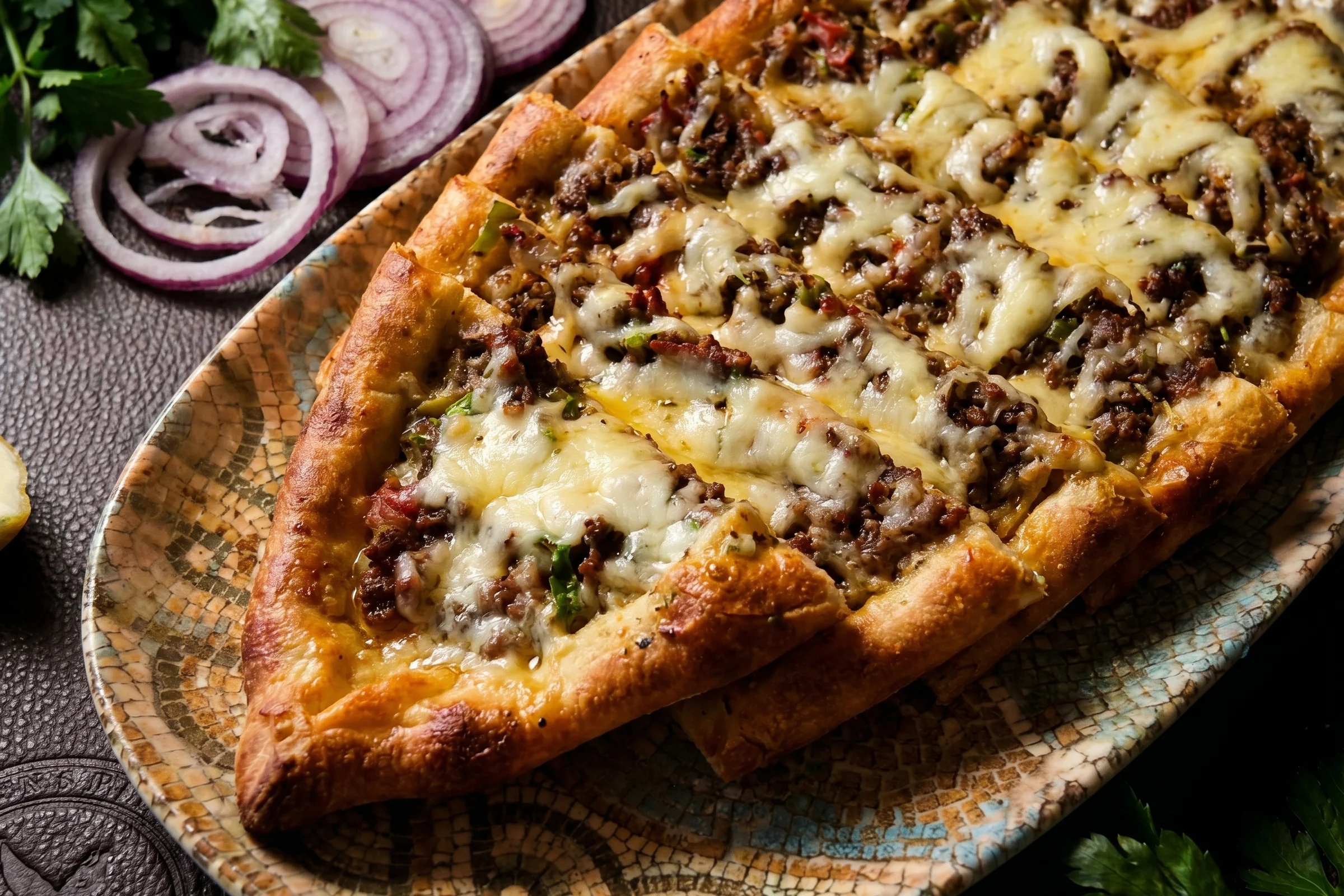
A baked flatbread topped with butterflied hamsi, onion, and corn flour — a Black Sea answer to pide.
Where to Eat It
Coastal fish restaurants between Akçaabat and Sürmene have built reputations on hamsi. For a more casual approach, the Trabzon fish market (Balıkçılar Çarşısı) near the harbor lets you pick fresh fish at a counter and have it cooked next door — pay one price for fish, another for preparation. Cost in season: roughly 300–480 ₺ for a generous portion.
If you're in Yomra for the day, ask around — several small fish lokantas open seasonally near the marina.
What to Drink With Hamsi
- ●Rakı (anise-based spirit) — the classic pairing, with cold water and ice.
- ●Ayran — for those skipping alcohol, the salt-tang cuts the oil perfectly.
- ●Black tea — yes, even with fish. It works.
FAQ
01Is hamsi safe for travelers?+
Yes — when it's in season and the restaurant is busy, you're eating fish that was probably caught that morning. The risk profile is similar to sushi in Tokyo: extreme freshness keeps it safe.
02Do I eat the bones?+
Yes. Hamsi bones are so small and soft they're entirely edible. Locals eat hamsi whole — head, bones, tail. First-timers often pick at the head; do whatever feels natural.
03Is hamsi available outside the season?+
Frozen yes, fresh no. Anything claiming fresh hamsi in July is best treated with skepticism.
04What does hamsi taste like compared to Mediterranean anchovies?+
Less salty, much milder, with a clean briny sweetness. Different fish, different culture — don't expect the cured Italian-style anchovy flavor.
Tags
#hamsi#BlackSeaanchovy#Trabzonfish#hamsiseason#hamsitava#hamsilipilav#Turkishanchovy#wheretoeathamsiTrabzon